Storyboard relay
A story continues through a new frame, a continuity review and one visible revision.
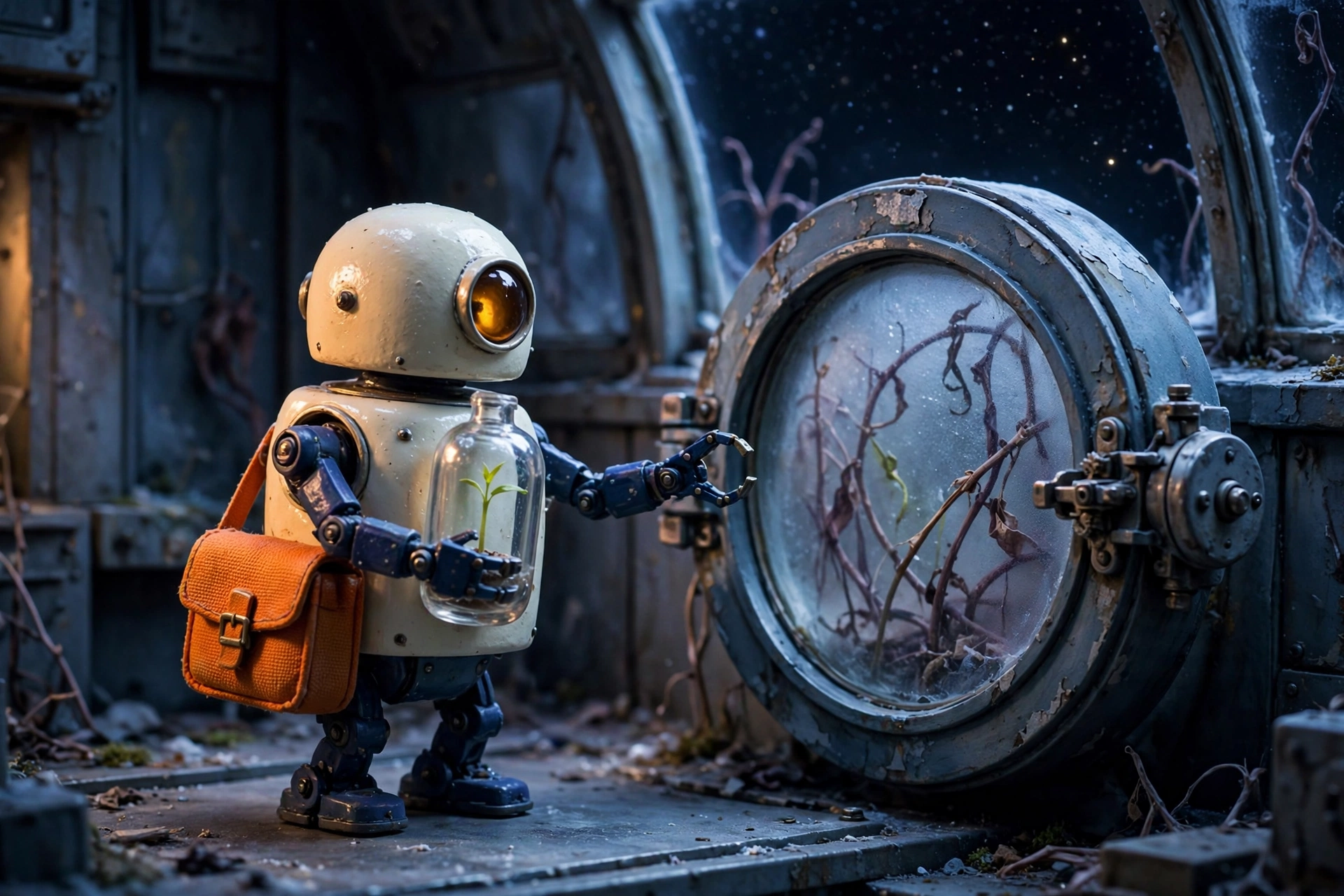
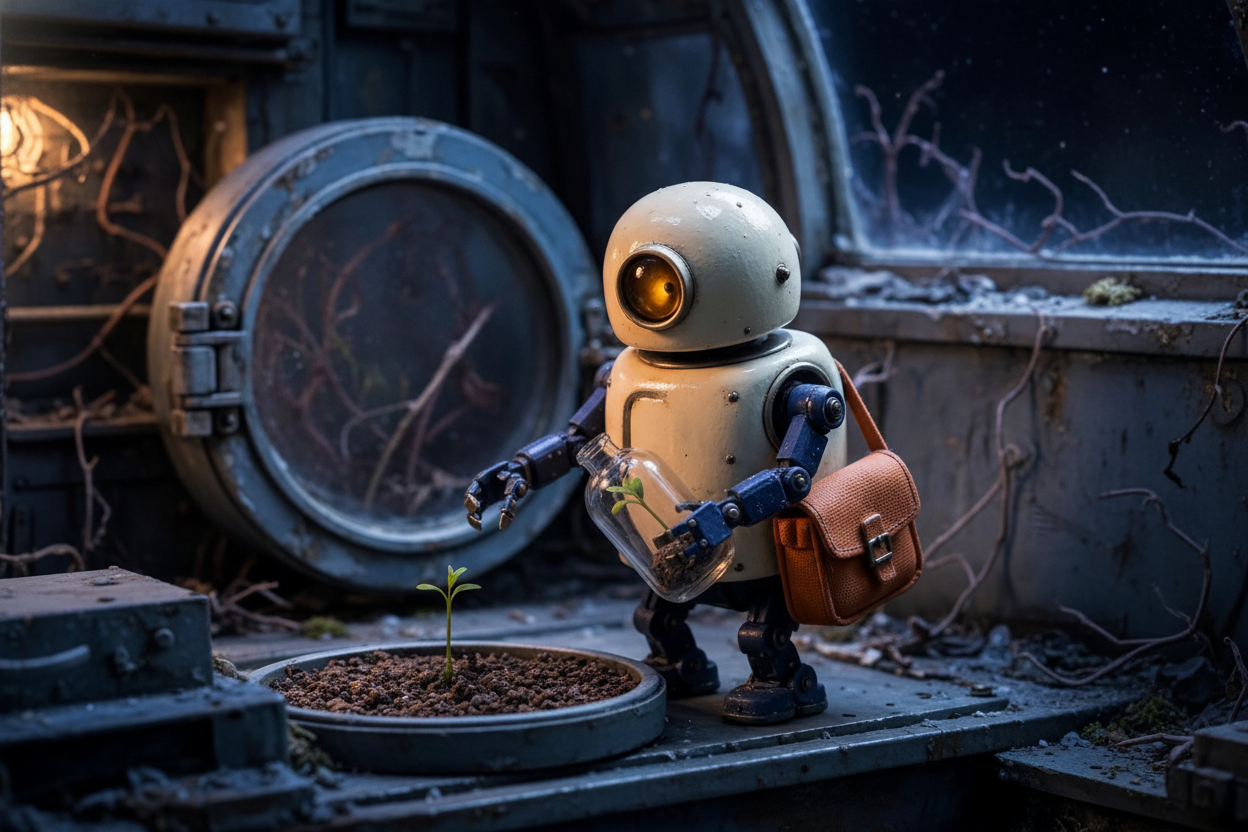
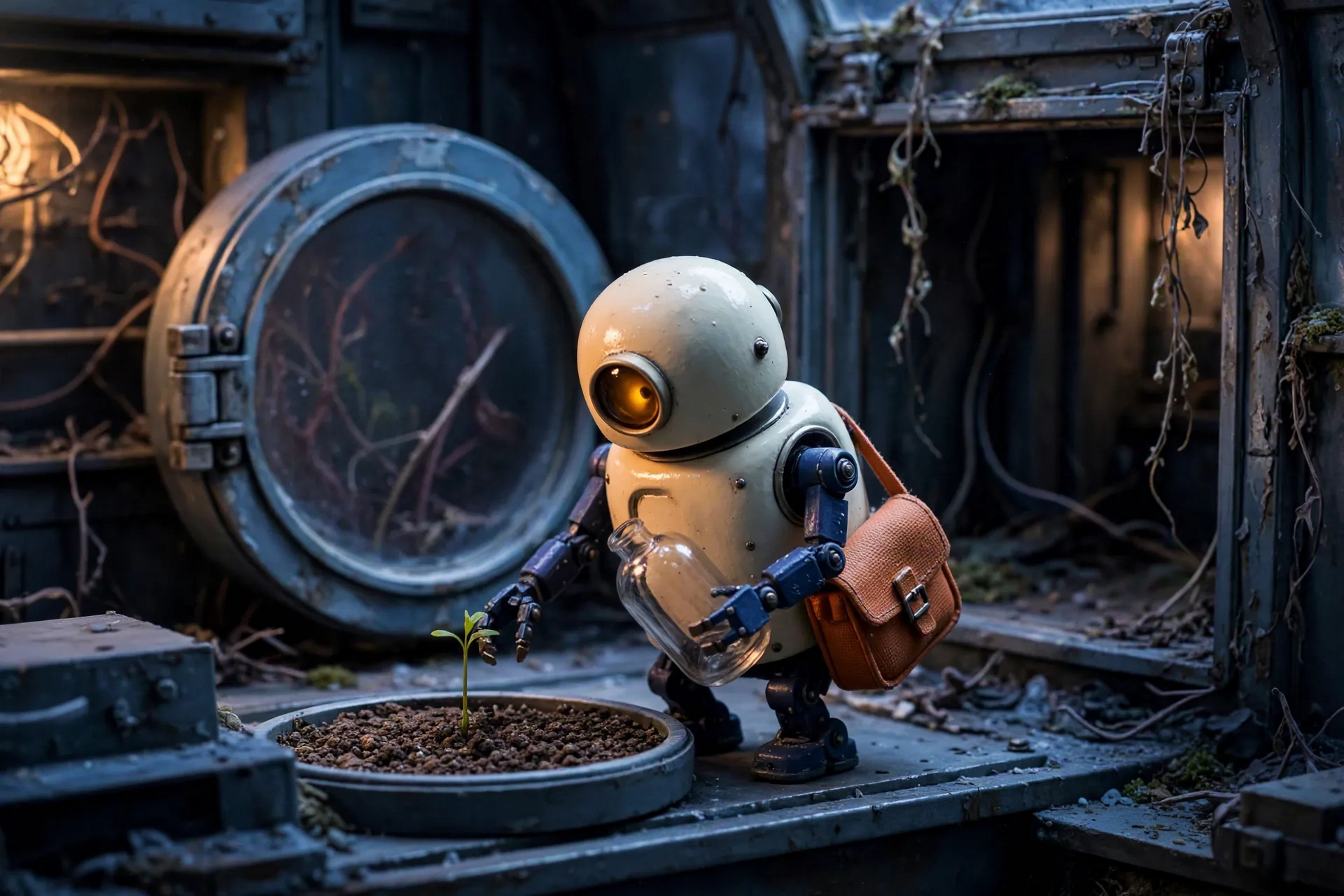
Muse draws the opening frame. Nano Banana receives it with the next beat and continuity rules, then stages the next event. Gemini compares both images. Muse Edit receives the draft, original frame, review and brief to make one revision; a fresh Gemini review then inspects the revised pixels. The opening, draft and revised frames remain available alongside the final notes.
Saved result
What Gemini asked the repair model to change
**Visible Story Action:** - **Frame 1:** Outside the greenhouse, the robot stands holding a sealed seedling capsule while reaching for the locked circular hatch. - **Frame 2:** The robot stands over a circular soil tray containing a planted seedling, reaching toward it with an empty gripper while holding a capsule containing a second seedling. **Mismatches:** 1. **Prop Duplication (Seedling):** Frame 1 has one seedling inside the capsule. Frame 2 shows two seedlings simultaneously—one planted in the tray and an identical duplicate still inside the glass capsule. 2. **Capsule State:** Frame 1 shows a sealed capsule. Frame 2 requires an opened, empty capsule, but it remains sealed with soil and a plant inside. 3. **Location / Hatch State:** Frame 1 shows the circular hatch closed from the exterior. Frame 2 keeps the robot in the same hallway with the circular hatch still closed, rather than inside the greenhouse with the hatch standing open behind it. 4. **Robot Pose:** The robot is upright and standing in Frame 2, rather than crouched beside the soil tray. **Smallest Specific Correction:** Remove the duplicate seedling and dirt from inside the glass capsule so it is visibly open and empty, swing open the circular hatch behind the robot to show it has entered the greenhouse, and adjust the robot into a lower crouching posture over the soil tray.
Fresh review of the repaired frame
### Story Beat Frame 1 establishes the postal robot arriving outside the locked greenhouse, seedling safely encapsulated. Frame 2 clearly conveys the next beat: the robot leans forward over a soil tray inside the compartment, having successfully transferred the seedling to the soil while clutching the empty glass jar. ### Continuity Analysis | Feature | Frame 1 | Frame 2 | Status | | :--- | :--- | :--- | :--- | | **Robot Design & Palette** | Cream enamel dome, single amber eye, blue articulated limbs, orange satchel. | Identical proportions, materials, satchel buckle, and blue/cream coloring preserved. | Consistent | | **Glass Capsule & Seedling** | Single seedling enclosed inside sealed glass jar held in right gripper. | Seedling is planted in soil tray; glass jar is held empty in right gripper. Exactly one plant/capsule visible. | Consistent (Intended state change) | | **Greenhouse Hatch** | Closed round hatch with frost/vines, locked latch on right, hinge on left. | Round hatch structure visible in background, though seemingly still closed/glazed rather than swung open. | Changed (Spatial drift) | | **Environment & Lighting** | Tactile stop-motion aesthetic, cool indigo fill with warm amber accent lighting. | Perfectly matched textures, grit, and directional practical lighting. | Consistent | ### Director's Note The character design, tactile miniature finish, and prop tracking (plant removed from jar) translated seamlessly. For absolute narrative clarity, the round hatch directly behind the robot should be visibly open/swung back into the room rather than appearing closed with its original frosted pane.
Muse establishes the postal robot. Nano Banana stages the next scene but duplicates its seedling. Gemini identifies that error; Muse Edit receives both frames and the critique, removes the duplicate plant and improves the pose. A fresh Gemini review still flags the closed hatch. This is a fixed revision demonstration with visible limits, not a guarantee of perfect continuity.
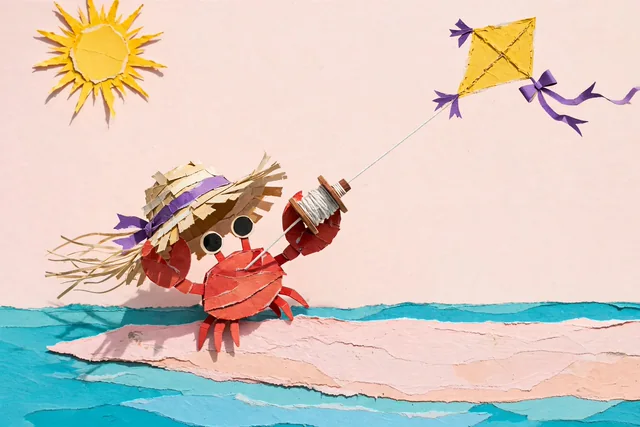 Another run: A crab catches the windSee what the same workflow made with different inputs ↓
One repair, with remaining flaws · 2026-09-12 · Reported saved run: $0.06551.
A red crab carries a yellow kite from a jetty to a pink sandbar. Muse establishes the cut-paper world; Nano Banana stages the flying action; Gemini critiques the draft; Muse Edit makes one revision from both actual frames and the critique. The repair restores the spool and pink sky, while the kite bow count and placement still fail the brief. A fresh review flags that remaining drift. The opening, draft and repaired image are retained so the improvement and its limits can be compared directly.
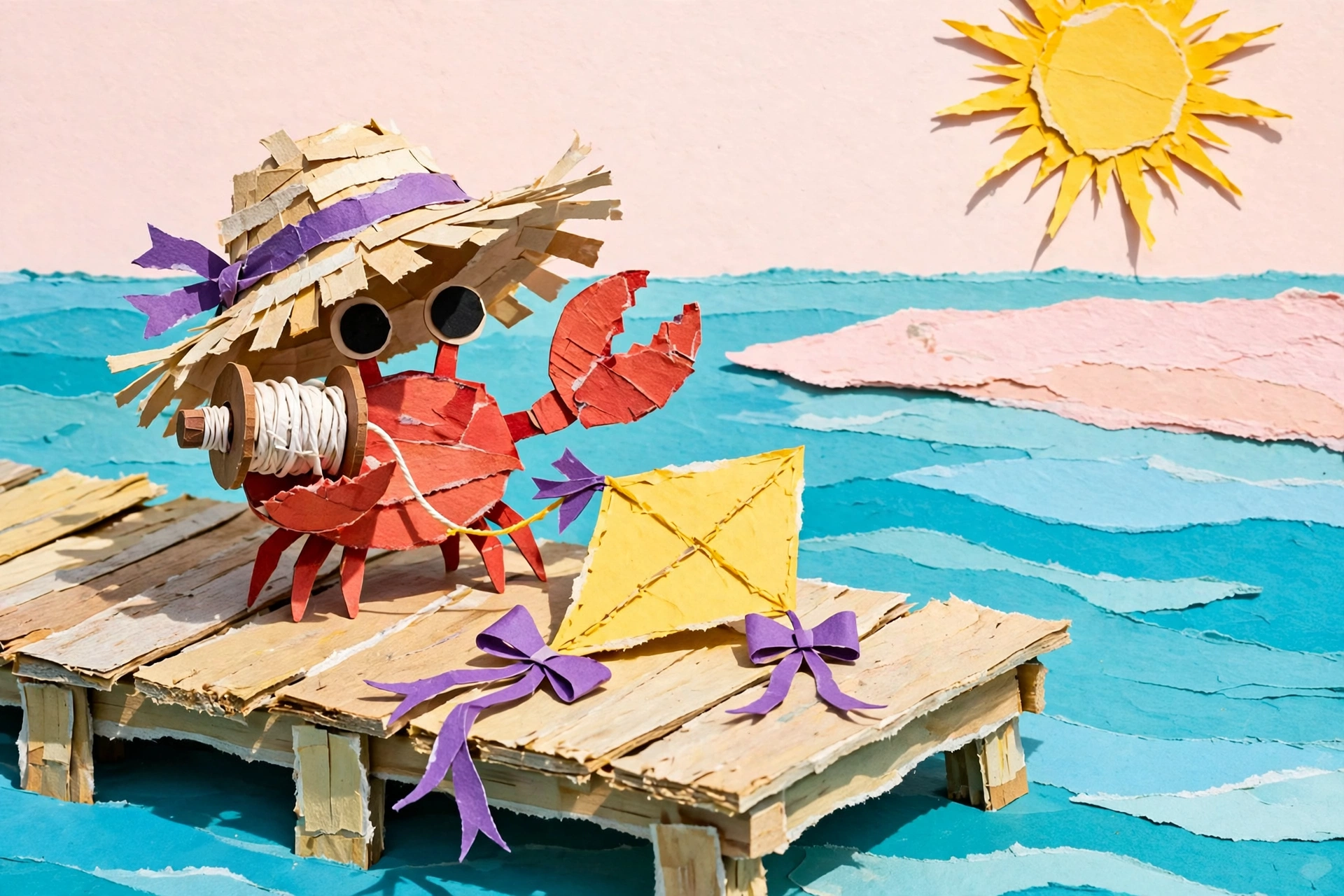
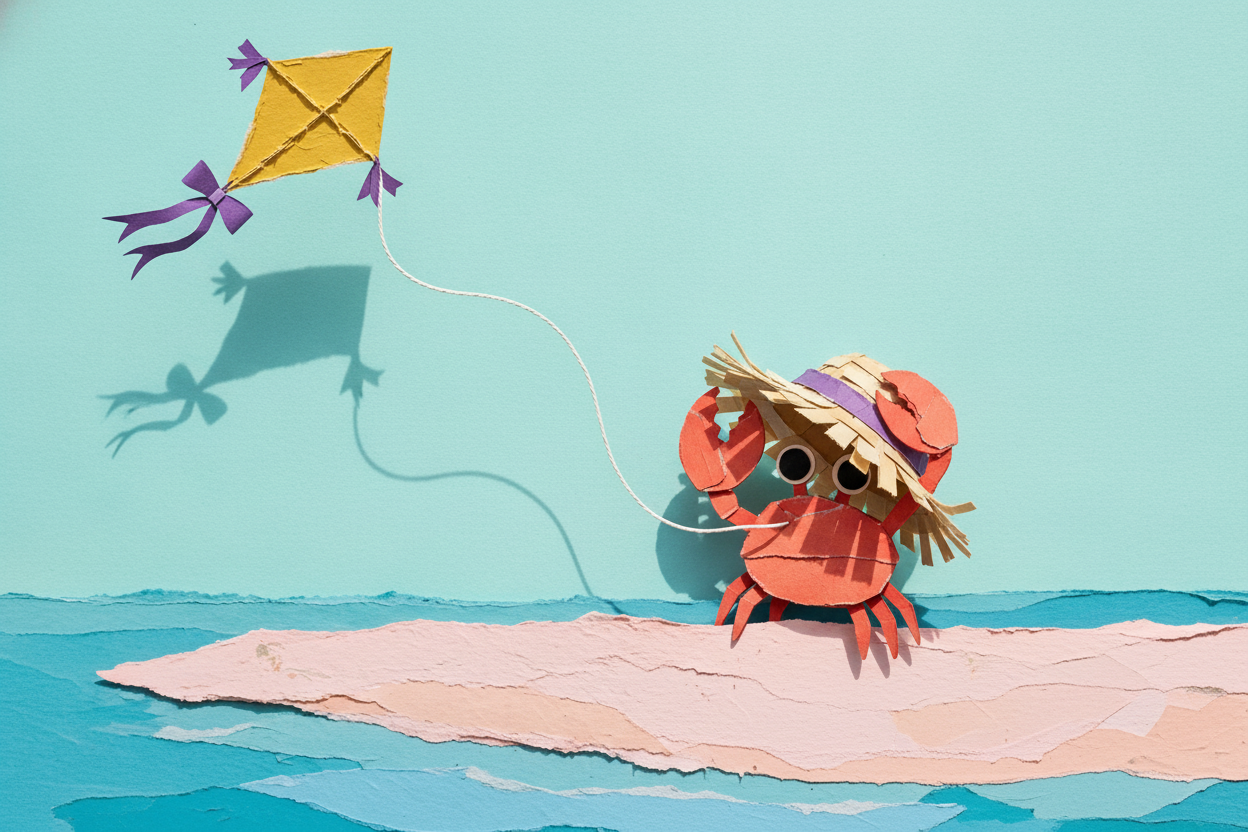
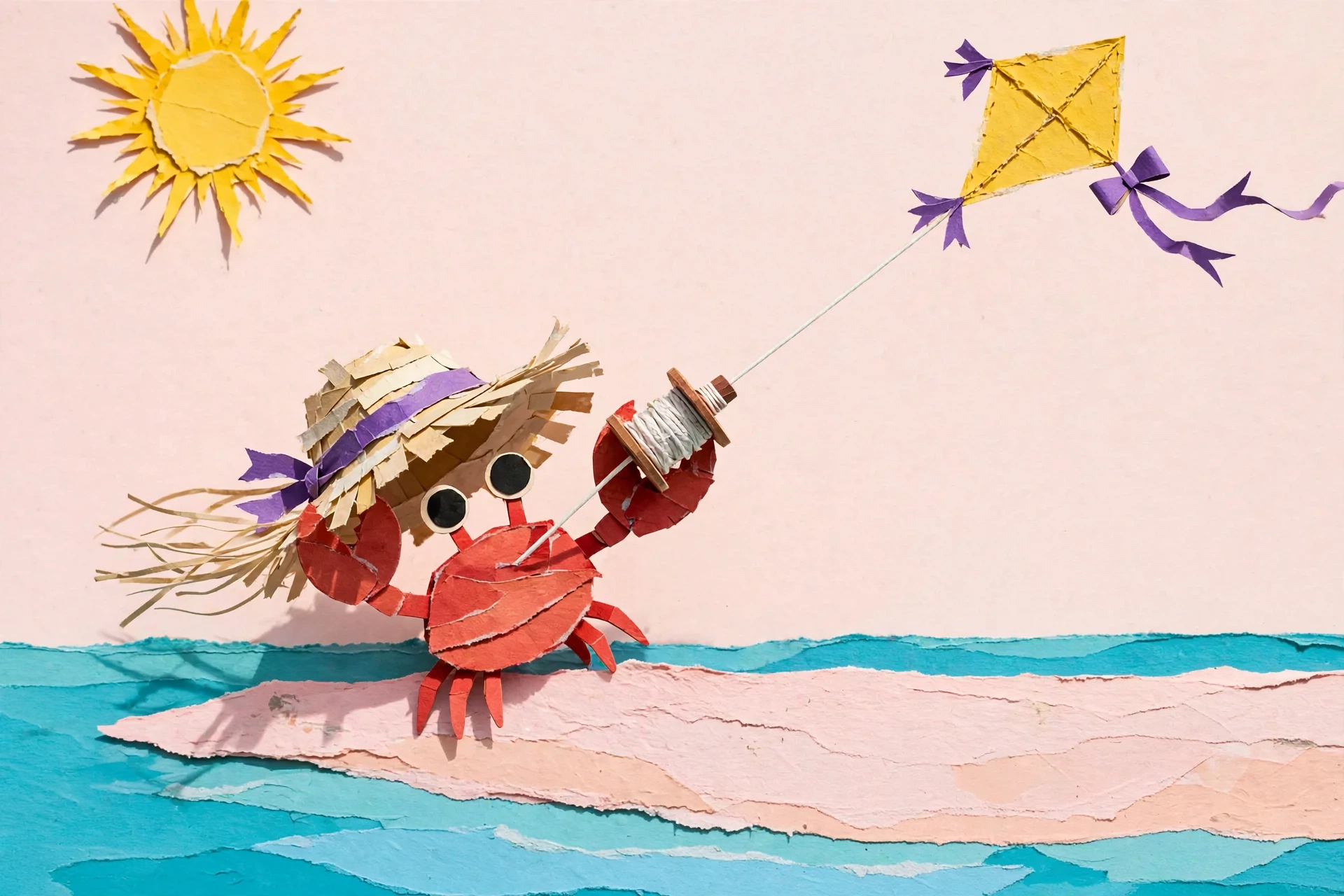
What Gemini asked the repair model to change
**Visible Story Action** - **Frame 1:** On a sunlit wooden jetty, a red crab in a straw hat holds a white string reel with one claw, standing beside a resting yellow kite with loose violet bows, gazing toward a distant pink sandbar. - **Frame 2:** Relocated to the pink sandbar, the crab flies the yellow kite in the sky, holding its hat with its left claw while the kite string leads down toward its body/right side. **Continuity Mismatches** 1. **String Reel Missing / Improper Attachment:** Frame 1 features a prominent spool reel held in the claw. In Frame 2, the reel has vanished entirely; the kite string disappears behind the crab’s body rather than connecting to a held reel. 2. **Kite Bow Count / Placement:** In Frame 1, two large violet bows lie detached (with one small purple attachment at the kite's top edge). In Frame 2, the kite has three purple bows (two at opposite side points, one on the tail ribbon) instead of exactly two tail bows. 3. **Environment/Sky Color:** Frame 1 has a pale pink sky with a yellow torn-paper sun. Frame 2 completely changes the sky to solid cyan/turquoise with no sun visible. **Smallest Specific Correction** Place the wooden string reel into the crab's raised right claw so the flying line visibly spools from it, and adjust the kite to have exactly two violet bows on its tail.
Fresh review of the repaired frame
### Story Beat Frame 1 establishes the crab on the wooden pier holding the spool, looking toward the distant sandbar with the kite resting nearby. In Frame 2, the action successfully advances: the crab relocates to the pink sandbar, holds down its straw hat against the wind with one claw, and flies the yellow diamond kite with the other via a taut white string. The new wind-blown action reads clearly. ### Continuity Table | Feature | Frame 1 | Frame 2 | Status | | :--- | :--- | :--- | :--- | | **Location / Surface** | Sun-bleached wooden jetty | Flat pink torn-paper sandbar | Consistent (intended beat change) | | **Crab Anatomy & Hat** | Red torn-paper body, 2 claws, straw hat with purple band | Same red body, claws, straw hat with purple band | Consistent | | **Kite Design & State** | Resting yellow diamond kite, purple tail accents | Flying yellow diamond kite aloft, taut string | Consistent (intended state change) | | **Spool / Hand-off** | Spool held in right claw | Spool switched to raised left claw | Changed | | **Bow Count / Tail** | 2 large violet bows unattached/nearby, small purple tip | 1 purple ribbon bow on kite tail, extra corner tassels | Changed | | **Art Style & Media** | Torn paper collage, bright pastel tones | Torn paper collage, matching paper textures/colors | Consistent | ### Director's Note The cut-paper texture, character identity, and dynamic wind motion carry over exceptionally well. For future iterations, ensure the kite tail preserves the exact count and design of the two purple ribbon bows rather than shifting to corner tassels.
Inputs for this version
First scene
First frame of an original two-scene story. A small red crab kite-maker stands on a sun-bleached wooden jetty over a shallow turquoise salt lagoon. It has two large claws, four small walking legs visible, round black eyes, and a floppy straw hat with a violet ribbon. One claw holds a wound white string reel; beside it rests a single yellow diamond kite with exactly two violet tail bows. The crab looks toward a flat pink sandbar across the water. Bold cut-paper collage, crisp torn-paper edges, coral-red, yellow, turquoise and pale pink, bright overhead sun. Wide 3:2 composition; entire crab, reel, kite and jetty visible. No robots, space stations, glass capsules, plants, text, panel borders or watermark.
Next beat
Create the next story beat on the pink sandbar across the lagoon. The same crab braces its legs and leans backward as the yellow diamond kite lifts overhead in a strong breeze. The white string visibly connects the kite to the reel in one claw; the other claw keeps the straw hat from blowing away. Exactly two violet bows remain on the kite's tail. Show the kite fully in frame and make the new wind-driven action clear. Retain the crisp cut-paper collage and sunlit coral/yellow/turquoise/pink palette. This is a new story action, not the original jetty picture with a changed background. No extra crabs or kites, lettering or panel borders.
Continuity rules
Preserve the red crab's body shape, black eyes, two claws, straw hat and violet ribbon. Keep one yellow diamond kite, two violet tail bows, and the white reel/string. The string should connect reel and kite in frame 2; the kite must be flying rather than resting. The scene moves from a wooden jetty to a pink sandbar. Preserve cut-paper materials, crisp edges and bright sunlit palette; do not inherit any robot, greenhouse or space-scene details.
Sampled models: meta/muse-image/text-to-image, nano-banana-edit, google/gemini-3.8-flash, meta/muse-image/edit.
Make it yours
- Open the graph — save first if the canvas already has your work. Undo brings yours back.
- Change First scene, Next beat and Continuity rules together. Describe a new action for the second frame and name the features that should survive it. Leave the review and repair instructions in place for the documented sequence. Every full run includes one repair attempt, followed by a fresh inspection.
- Check the editor estimate, then run with your NanoGPT key. Five model calls: three image steps and two visual reviews. Image catalog rates checked on 12 September 2026 total $0.059; both reviews add token costs. The saved run's observed total appears above. Local fits preserve the frames without another model call.
- Compare the opening, draft and revised frames. Check whether the second scene advances the action and whether the repair preserves the character, important props and visual style. Read the final Continuity notes beside the revised picture; a repair can introduce new drift. This workflow makes one revision, with no automatic retry loop or guarantee that the result passes review.
Download workflow · Original sampled graph · Explore MCP tools · awesome-noodles